

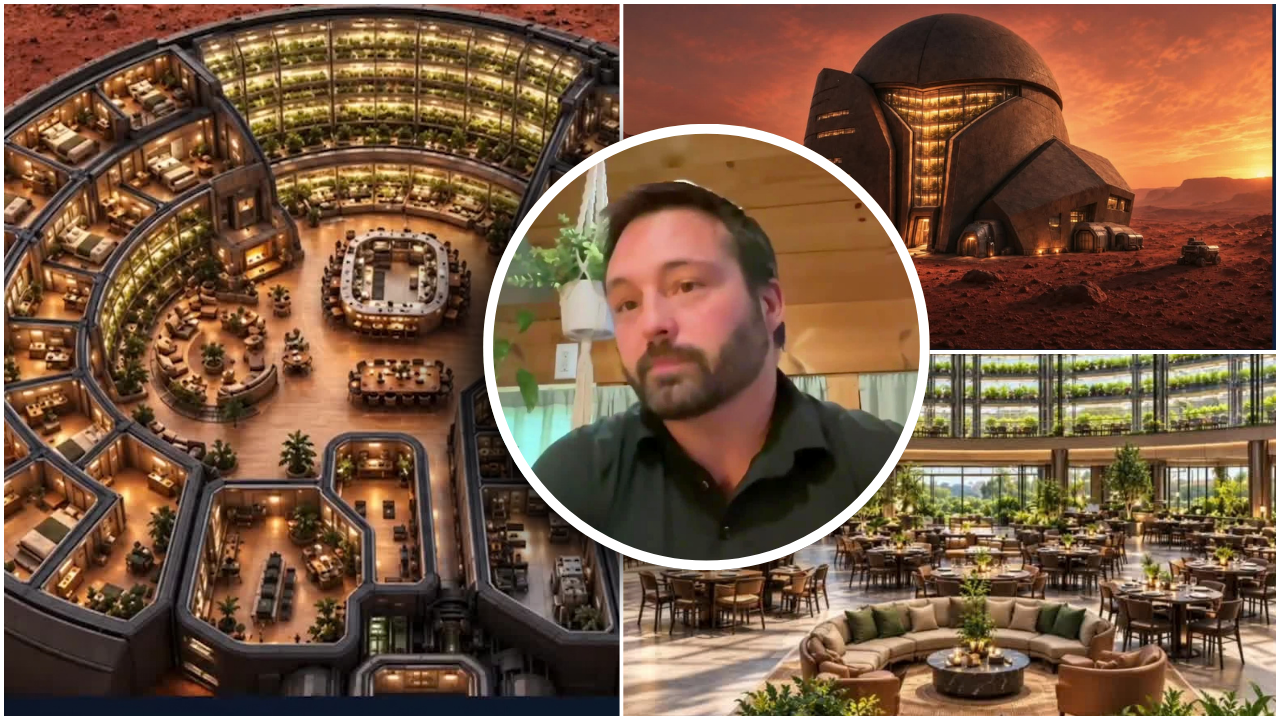


TULSA, Okla. — A design for NASA to grow and sustain food for astronauts on the Martian surface was worked on entirely in Tulsa, its director of operations told 2 News Oklahoma.
“We were there for the whole summer, actually," Kyle Johnson of Autonomic Resilience Collective (ARC) told 2 News via Zoom on Sept. 29.
"So we spent a lot of time at the Gathering Place and at the zoo. My son loves it there. I love it there. I mean, I'd spend more time there if I could. But we were there the whole summer. We heard about it in Tulsa, and we finished the whole project all in Tulsa.”
Johnson and ARC's co-founder, Chandler Buckingham, named the concept the AEGIS system, or Adaptive Endurance and Growth through Integrated Sustenance.
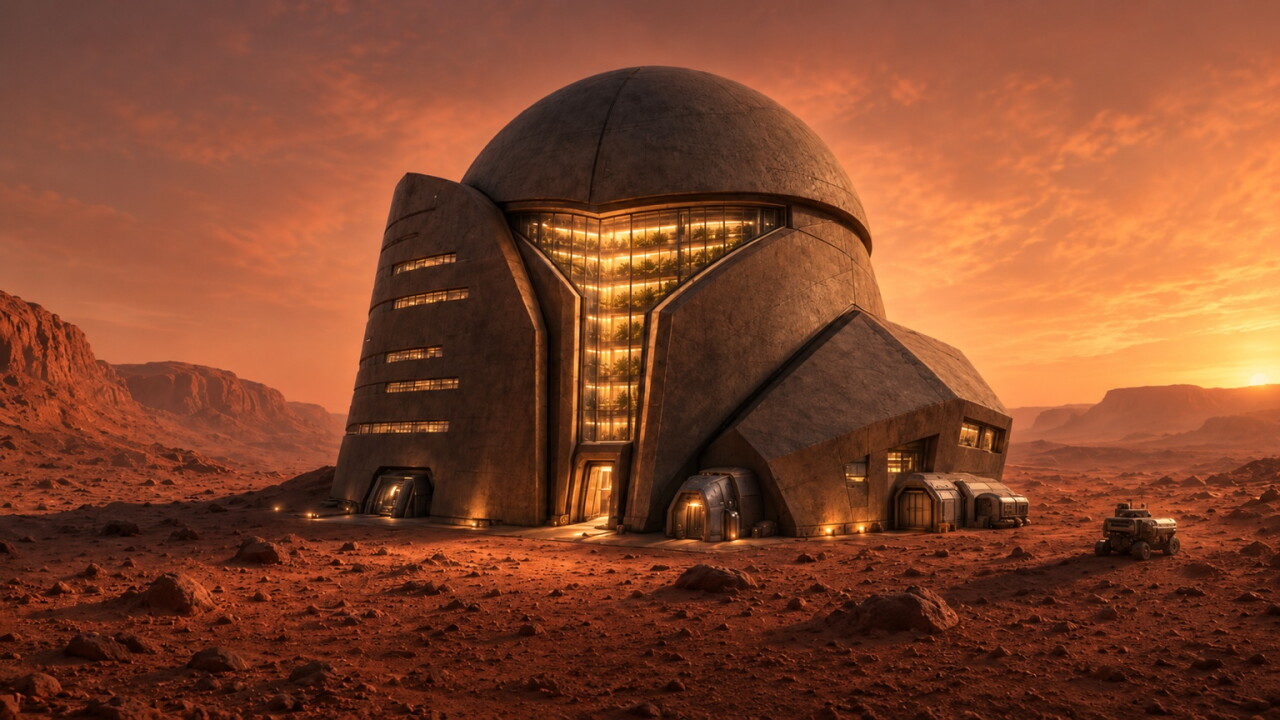
It was named as a $50,000 prize winner in September by NASA's Mars to Table Challenge. NASA reportedly evaluated 113 submissions from 33 countries and 28 U.S. states, and chose five entries for future development.
"I think that will be valuable to some companies, maybe the government, maybe NASA, we don't know who. But we think it's valuable," Johnson said. "NASA said human-centered design. We think it's one of the best ways to keep people healthy and alive.”
- WATCH: ARC's Kyle Johnson explains to 2 News the award-winning concept for growing food on Mars
Autonomic Resilience Collective awarded by NASA for Mars food growth design
Johnson also explained how AEGIS can work in spite of Mars' barren conditions such as toxic soil, cold climate, and razor-thin atmosphere compared to Earth.
“We don’t have any soil at all because (Martian) soil...is quite contaminated with stuff that isn’t very good for humans. Even a small amount can mess with your thyroid quite a bit," he said. "(If) anything like that happens or you have issues with health, they are nine months away from anybody coming and saving them. And so that’s how we designed it. There’s no soil in there. Once the base of construction is built, you know where the coming from, you know how to wash your food, where to wash your food. We built that into the design itself. Aegis is Latin for ‘shield’. It’s to shield from Mars. It’s to bring home to Mars.”
October 2-9 is also Space Week for Tulsa Regional STEM Alliance. Commander John B. Herrington, PhD, the first citizen of a federally recognized tribe to fly in space and Wetumka native, and others from NASA will visit students in Stillwater and Tulsa, including Discovery Lab.
 Facebook
  TikTok
  YouTube
 Instagram
 Threads
 X
X