

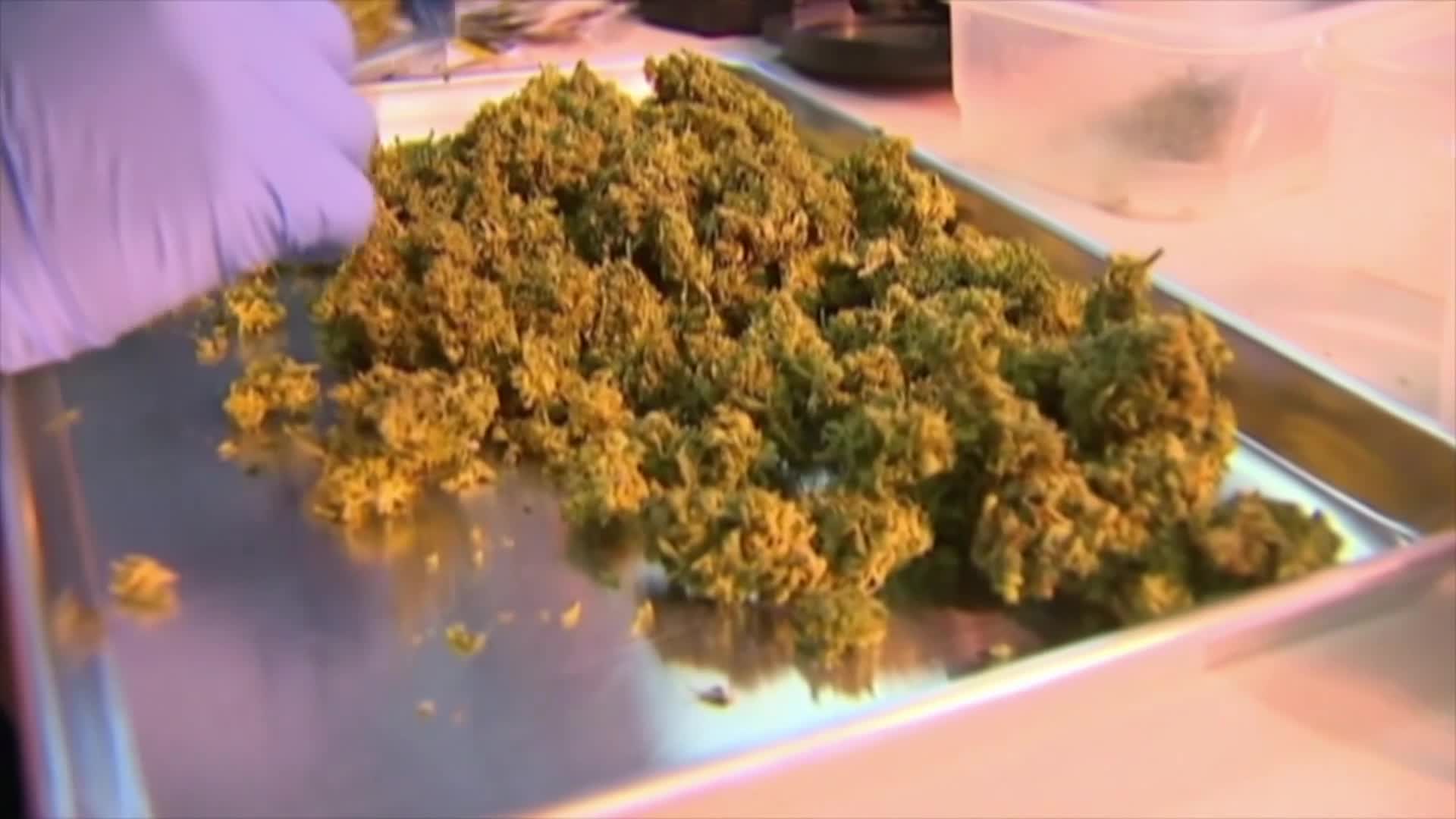


TULSA, Okla. — A deadly explosion at a Sand Springs marijuana processing facility two weeks ago prompted renewed scrutiny of the marijuana industry in Oklahoma.
Attorney Dana Kurtz, who represents several Oklahoma marijuana businesses, says what separates legal operations from illegal ones comes down to documentation.
For a marijuana business to operate legally, Kurtz says everything must be tracked from seed to sale. Like any regulated drug, businesses must document their entire process — and failing to do so is what makes an operation illegal.
Marijuana business owners are also frustrated with two state agencies: the Oklahoma Medical Marijuana Authority and the Oklahoma Bureau of Narcotics and Dangerous Drugs. They say simple changes like transferring ownership or moving locations can sometimes take up to two years to approve.
"It's very frustrating, and most businesses are going out of business. They can't afford the legal fees. They can't afford to be shut down for an extended period of time. They've invested hundreds of thousands, and some businesses have invested millions of dollars into providing what the voters voted for in the state of Oklahoma, which is medical marijuana to replace dangerous pharmaceuticals," Kurtz said.
Kurtz says her clients who operate legally understand the frustration with illegal marijuana businesses, but argues those following the rules shouldn't be punished.
She also says some businesses have been shut down for over a month for having just one or two incorrect inventory tags, and that if this continues, it puts enormous financial strain on businesses trying to operate legally.
Oklahoma Medical Marijuana Authority Executive Director Adria Berry responded to those claims, saying the agency operates within a legally defined window for processing applications.
"On license transfers, OMMA has a 90-day window that we are required to meet by statute. So we're required to process all commercial applications within 90 days. Just a reminder that OMMA is only one piece of the puzzle. We do the regulatory licensing," Berry said.
Berry also explained that the approval process does not end with OMMA.
"After the transfer is approved at OMMA, they are moved on to the Bureau of Narcotics where they must procure their registration with the OBNDD. So that's a whole separate part that does take more time," Berry said.
Berry also says OMMA does not shut businesses down for just one or two missing tags, calling that claim not factual and dishonest. Multiple owners in Oklahoma, however, say otherwise.
 Facebook
 TikTok
 YouTube
 Instagram
 Threads
 X
This story was initially reported by a journalist and has been converted to this platform with the assistance of AI. Our editorial team verifies all reporting on all platforms for fairness and accuracy.
