




TULSA, Okla. — Residents in three Tulsa neighborhoods will soon have a more direct role in deciding what improvements they want to see in their communities.
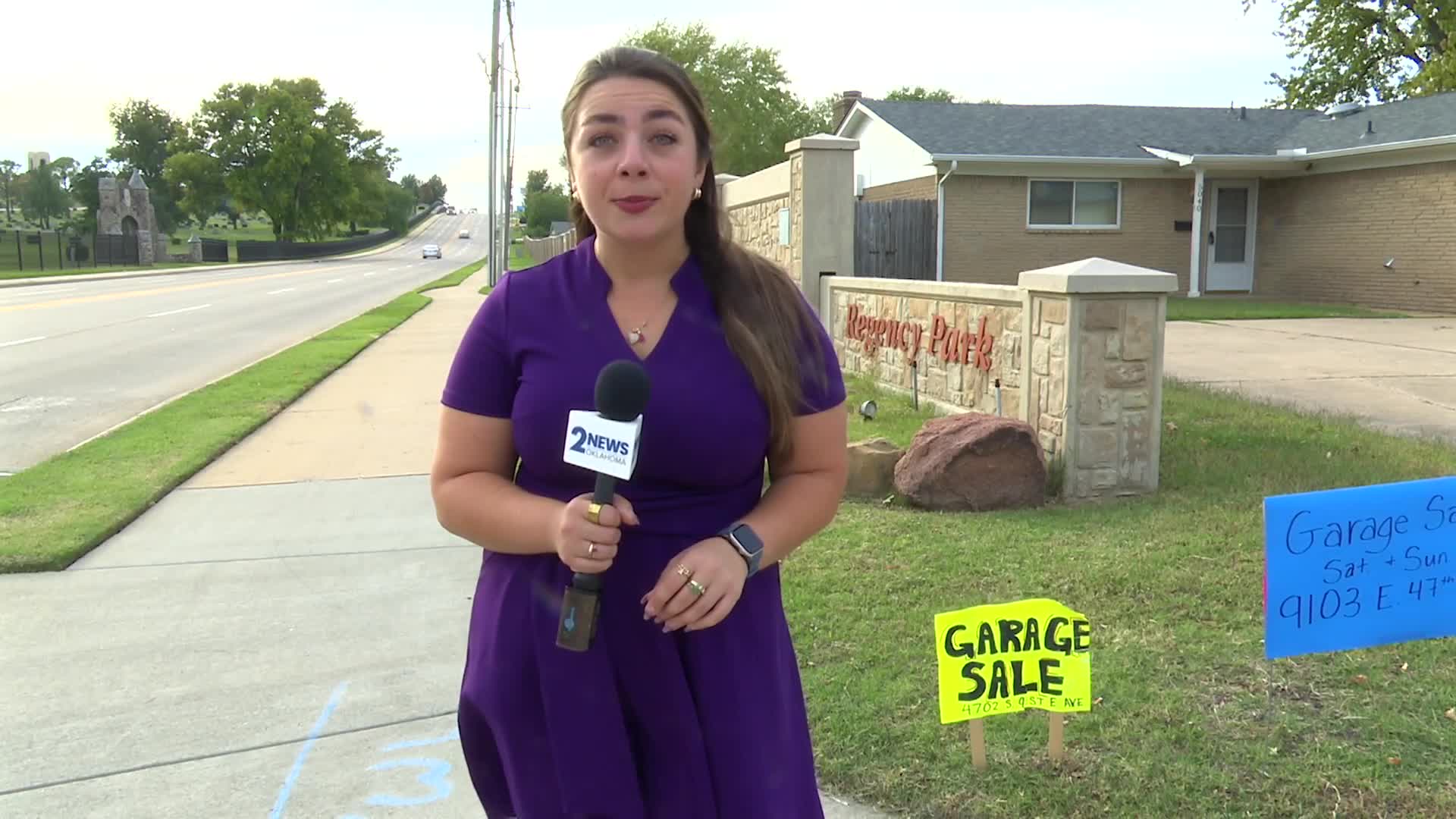
Dawson, South Haven and Regency Park have been selected for Tulsa’s 2027 NCI Collaborative inaugural cohort. The three neighborhoods were chosen from 11 that expressed interest across the city.
The yearlong program brings residents and City of Tulsa departments together to identify neighborhood concerns and develop plans to address them. For some residents, traffic safety is already top of mind.
“We’ve got these speed bumps, but we’ve got a lot of little kids on bicycles and people walking and somebody always like speeding by, so that’s a big concern,” said Shelly Folta.
Folta has lived in Regency Park for the last ten years. She said loose animals are another issue she hopes receives attention.
“People don’t spay and neuter their pets and they let them run around, so we’ve got tons of cats and dogs that are stray,” said Folta.
Those concerns are examples of the issues residents could choose to address through the program. Other potential priorities include property upkeep, crime and walkability.
Ultimately, residents in each neighborhood will identify three areas of focus.
Beginning in January, neighbors will meet monthly with City departments to develop action plans, track progress and work through challenges. Meetings will continue through November 2027.
The NCI Collaborative grew out of Tulsa’s Neighborhood Conditions Index Pilot Program. Projects completed through the previous pilot included neighborhood cleanup events, a Neighborhood Watch, new traffic signs and speed humps, as well as free spay and neuter services.
For residents, the new program represents an opportunity to turn everyday concerns into tangible improvements.
“We’re a good little community here and sometimes I feel like we’re a little neglected sometimes on things,” Folta said. “So yeah, we’ll appreciate any help we can get from the city.”
The three neighborhoods will now begin determining which issues they want to tackle first, with the goal of turning what residents say they need into changes they can actually see.
 Facebook
 TikTok
 YouTube
 Instagram
 Threads
 X
