

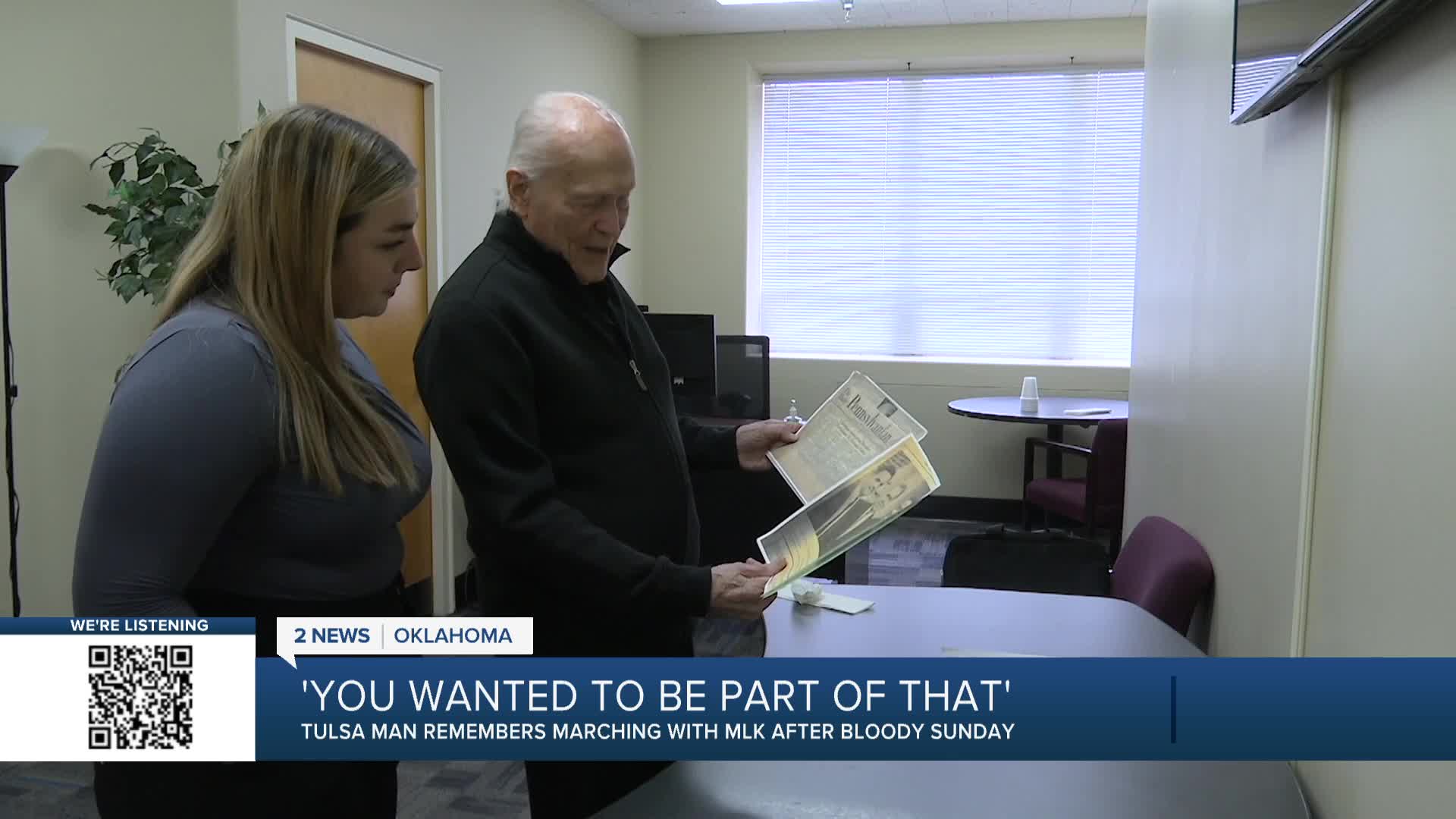



TULSA, Okla. — Ted Katchel's life in the 1960s was shaped by opportunity — and the Civil Rights Movement.
“I was just in the crowd that was almost at the steps of the Lincoln Memorial, so again, I felt very involved, even though there were thousands, like 200,000 people around us that day," he said. "When he does the speech about I have a dream, it was just enveloping.”
WATCH: 'Wanted to be part of that': Tulsan remembers marching with MLK Jr.:
Katchel witnessed the historic 'I Have A Dream' speech, given by Martin Luther King Jr during the March on Washington in 1963.
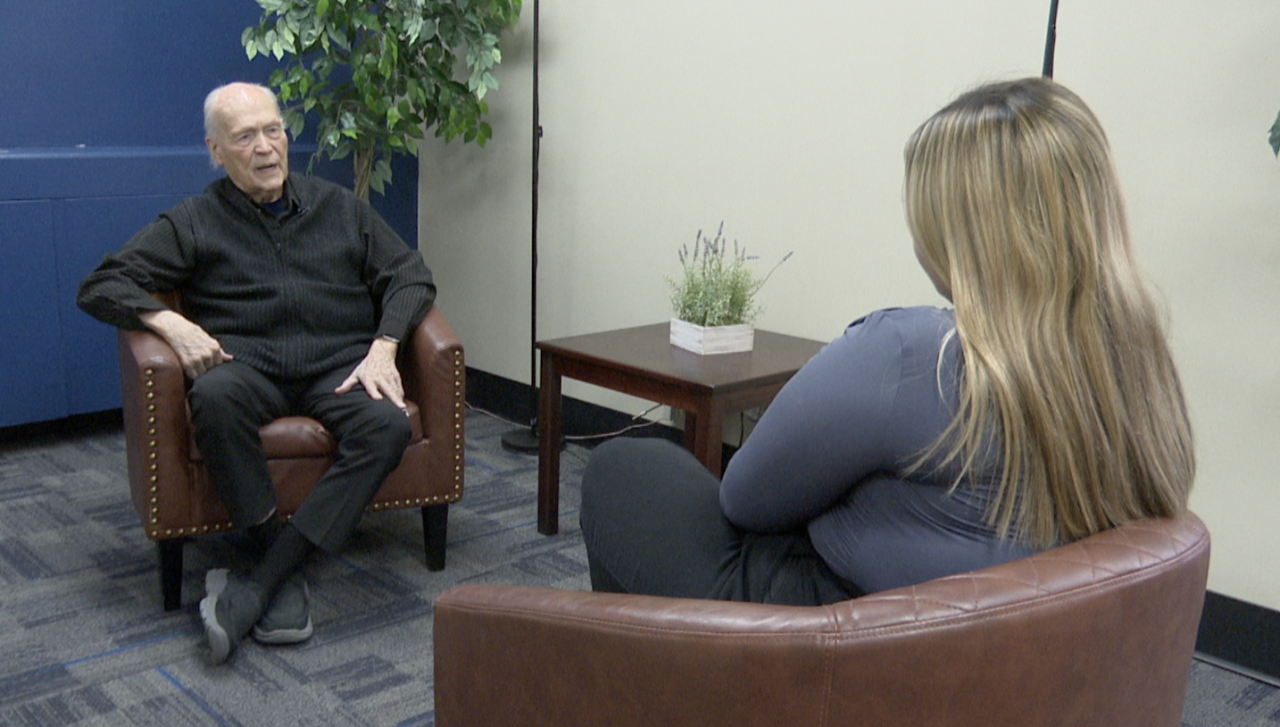
“Obviously, that motivated me when he sends out the call in 1965," he said. "He says, 'I need you guys to come.' Well, okay. We did it once, we’ll do it again.”
That call came, Katchel said, following the Bloody Sunday marches.
In the midst of the Civil Rights Movement, a 28-year-old Katchel was a campus minister at the University of Pennsylvania.
“When Martin Luther King heard about this in Atlanta, he said we’ve got to respond immediately," he said. "What happened was he sent out a general request to other clergymen. He said 'I need you to come and join me. We’re going to march on Tuesday, the 9th, to Montgomery.'”
After a plane and bus ride, Katchel arrived at Brown Chapel in Selma. There, he and other clergymen from all over gathered.
Katchel said they were prepared to march, but they didn't anticipate being greeted with peace. He said they were all told how to cover themselves to minimize injury if fighting broke out.
"What we didn't know at the time was King had already agreed that this Tuesday, he had agreed with President Johnson that he would turn us around," said Katchel. "That he would simply stop after we had talked to the colonel. He would ask us all to kneel down and have a kind of prayer meeting, which is exactly what happened at that point."
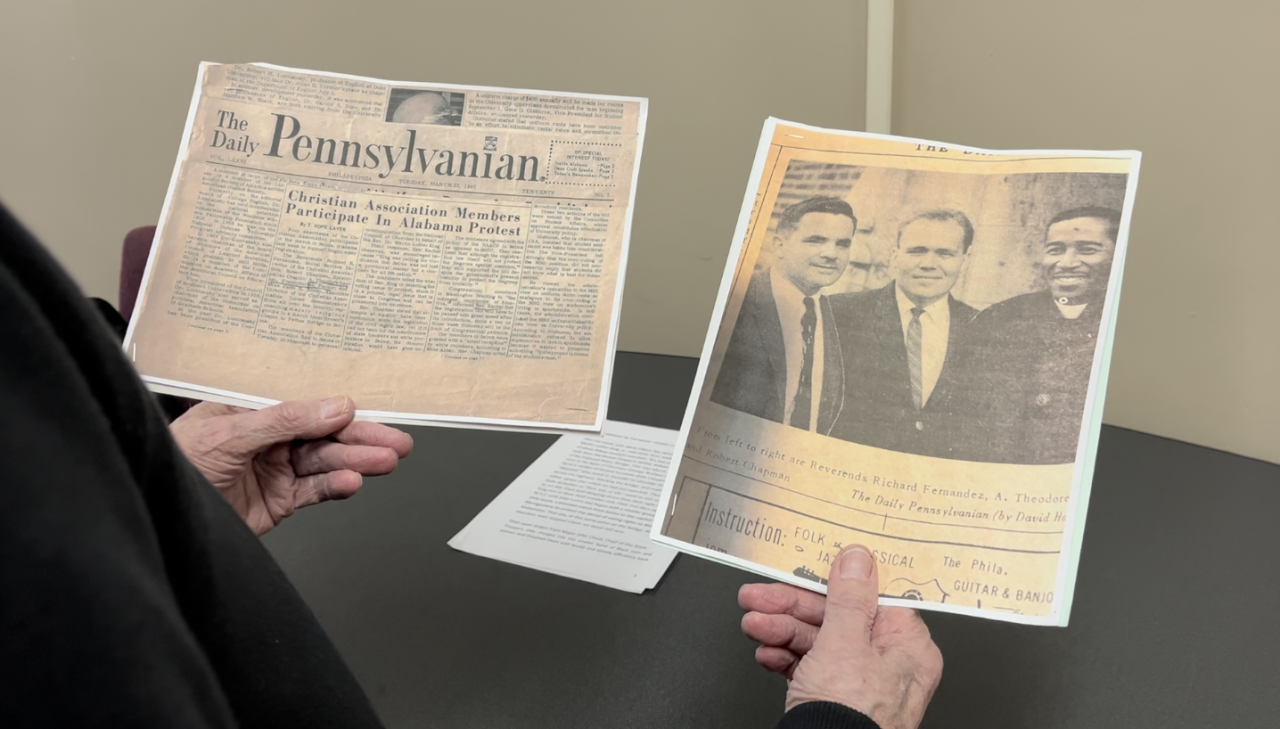
They marched, they prayed, and they turned around, Katchel said.
“I don’t know whether it was 50% but it was a huge number of ‘white faces’, as Andy Young said, that were present," he said. "That was what King wanted to establish and what Johnson needed."
Six days later, President Lyndon B. Johnson delivered a historic address, calling on Congress to pass voting rights legislation for all Americans, regardless of race.
"It made all the difference in the world," said Katchel.
2 News Oklahoma's Stef Manchen asked him what it meant to be a part of such pivotal moments in American history. Katchel said he feels more like a witness than someone of personal importance.
As he looks back on that time, when he demonstrated and fought for the rights of others nearly 60 years ago, Katchel's message to the next generation is simple but strong.
"Don’t lose hope," he said. "Take advantage. Maybe you’ll be like me, just a witness. Maybe there’ll be other times when you get to do something that are very important that makes a difference because it changes a law, changes a community, changes whatever. Just stand for whatever you really think is important for America and do it. Do it.”
Stay in touch with us anytime, anywhere --
- 2 News Oklahoma on your schedule | Download on your TV, watch for free. How to watch on your streaming device
- Download our free app for Apple, Android and Kindle devices.
- Like us on Facebook
- Follow us on Instagram
- Watch LIVE 24/7 on YouTube
