

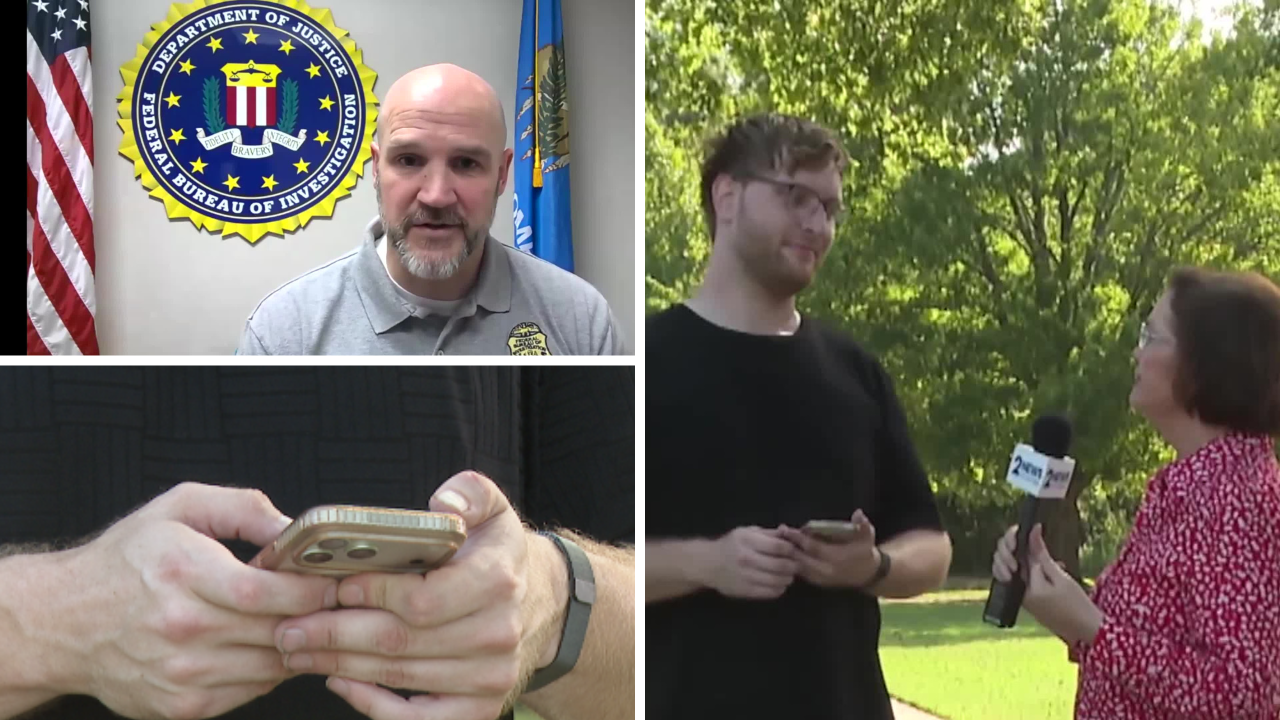


BROKEN ARROW, Okla. — A Broken Arrow man received nearly half a dozen calls in just a couple of weeks from a phone number appearing to be Chase Bank — even though he doesn't have an account there.
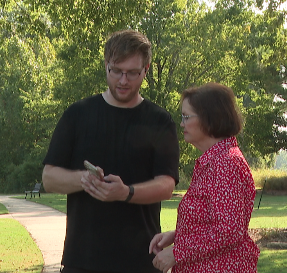
Kevin Barnett said one call left a voicemail urging him to call back.
"It was basically just saying like, hey, we've noticed a red flag on your account we need you to call," Barnett said.
It's a scam the FBI is now warning the public about. Callers posing as bank representatives tell victims there's a problem with their account. They say there's a problem on your account — it looks like they're buying guns with your money.
Barnett said that's the kind of calls he received.
The FBI told 2 News Oklahoma the caller then insists on transferring the victim to an "FBI agent" investigating the crime. The next voice provides a fake name and FBI badge number, then pressures the victim to hand over banking and personal information.
Barnett said he recognized the red flags immediately.
"Obviously, I know they're not gonna be asking for my information so I knew it was a scam," Barnett said.
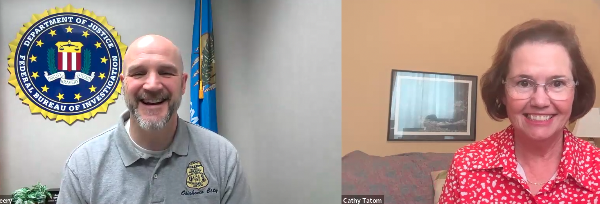
Doug Goodwater, the FBI's Special Agent in Charge in Oklahoma, said the scam follows a clear pattern.
"Where individuals are contacting victims telling them that there's been questionable purchases made on their accounts and telling them that they need urgently to be transferred to speak to an FBI agent and then they transfer that call to someone who claims to be an FBI agent and pressures them into providing their personal and financial information," Goodwater said.
He said the real FBI simply does not operate this way.
"The FBI is never going to reach out to someone and pressure them to provide us their financial information or their bank account information," Goodwater said.
Goodwater said the warning signs are not hard to miss — if you know what to look for.
"If someone is pressuring you to provide your financial information to them or for you to conduct a financial transaction those are the screaming red flags that you should stop, step away, and find an independent route to verify it, not rely on them to transfer you to somebody else to explain it," Goodwater said.
Don't trust your caller ID
Scammers frequently spoof bank and FBI phone numbers — in some cases, the number appearing on victims' caller ID is the FBI Oklahoma City office's actual main line — to make the calls appear legitimate.
The FBI will never call or email private citizens to demand payment, personal information, threaten arrest, or ask you to communicate via an encrypted application.
Here's how to protect yourself:
- Be wary of answering calls from numbers you do not recognize.
- Never give out personal information, including your banking information, Social Security number, or other personally identifiable information, to individuals you do not know.
- Do not send money or gift cards to anyone you do not personally know and trust.
- If you receive one of these calls, hang up immediately.
If you believe you've been targeted, Goodwater said to report it right away.
"We advise the victims to quickly report this via the Internet Crime Complaint Center and, and to notify their bank, financial institutions and the credit agencies so that they can try to prevent any loss from occurring," Goodwater said.
You can report the scam to the FBI's Internet Crime Complaint Center at IC3.gov. You can also call FBI Oklahoma City directly at 405-290-7770 to verify whether a call you received was legitimate or a scammer trying to trick you.
This story was reported on-air by a journalist and has been converted to this platform with the assistance of AI. Our editorial team verifies all reporting on all platforms for fairness and accuracy.
 Facebook
  TikTok
  YouTube
 Instagram
 Threads
 X
X