

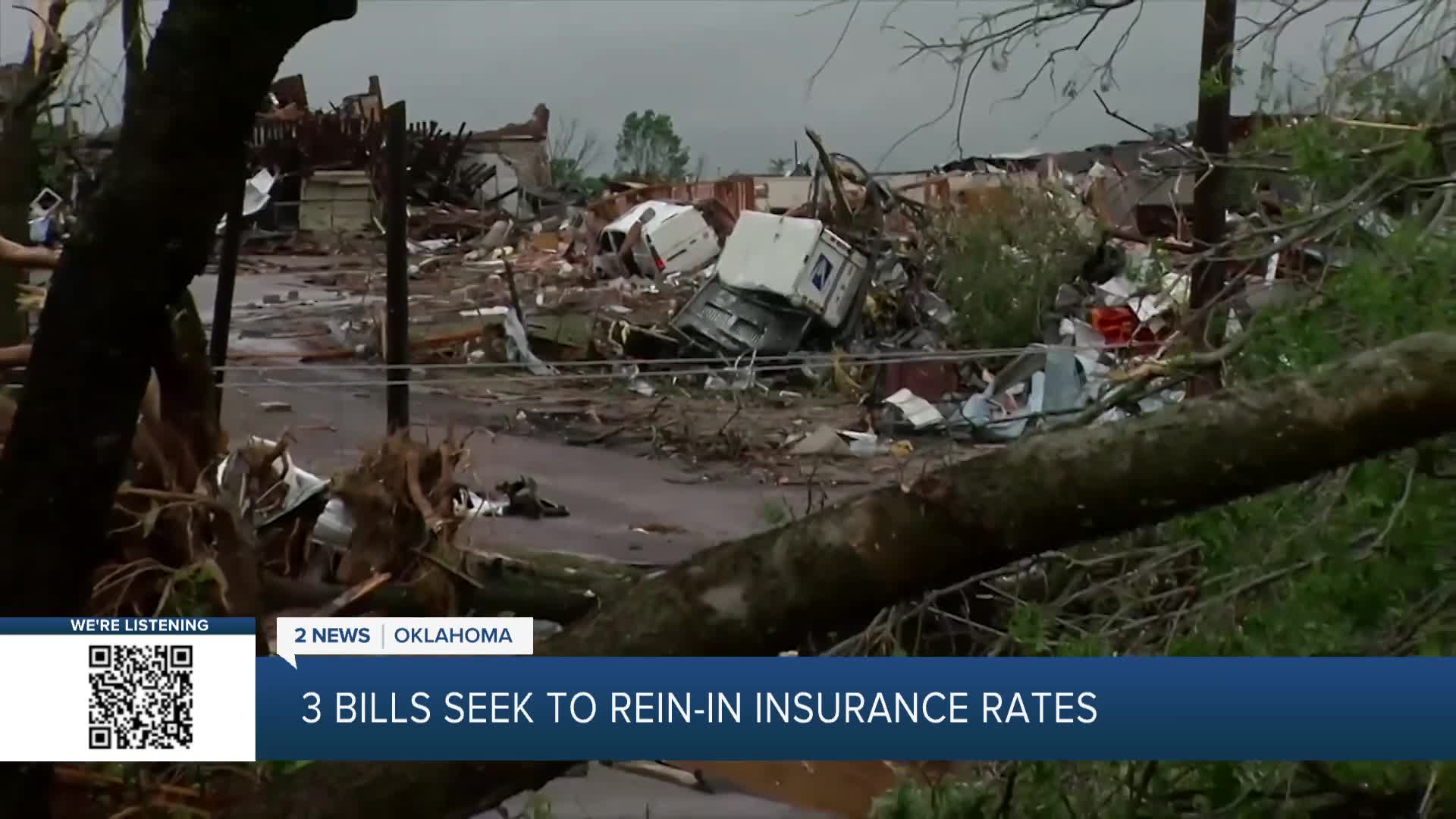


TULSA, Okla. — Oklahoma homeowners may get relief through three legislative measures aimed at reining in homeowner insurance rate increases that skyrocketed over the past two years.
The bills, introduced by Sen. Julia Kirt, address various aspects of insurance regulation as Oklahomans deal with average annual premiums of $6,404—90% higher than the national average of $3,371.
Oklahoma homeowners saw insurance costs jump 24% in 2025 after a 12% increase in 2024, driven largely by the state's severe weather patterns. Oklahoma led the nation in tornadoes in 2024 and ranked in the top three for hail damage.
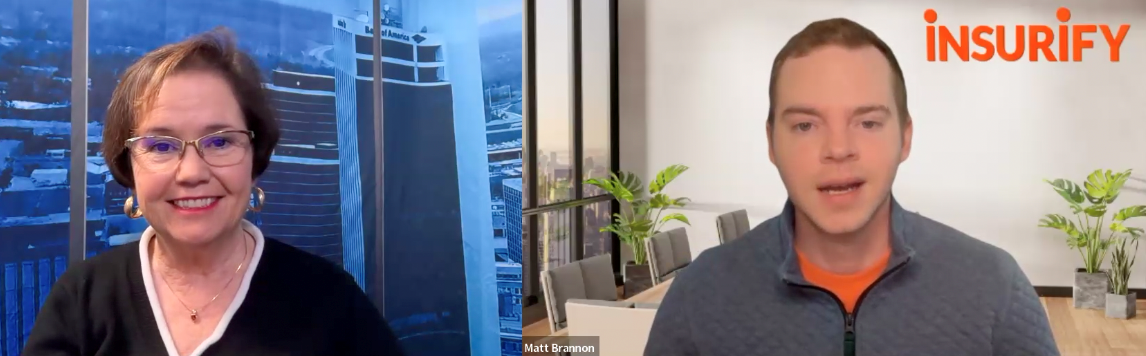
"Home insurance rates across the country have been rising as insurers struggle to deal with extreme weather," said Matt Brannon, senior economic analyst at Insurify. "Those increases are bigger than normal, so Oklahoma is a little bit different than the average state."
Three-pronged legislative approach
SB 1438 would require insurance companies to refund customers any excess profits they exceed statutory limits over a three-year period.
Brannon told 2 News that similar legislation in Florida recently required Progressive Insurance to refund policyholders after it exceeded profit thresholds.
"The idea is to sort of protect consumers from companies that might try to hold on to excess profits," Brannon said.
SB 1444 would empower Oklahoma's insurance commissioner to reject rate increases deemed excessive and require insurers to justify rate increases before implementation. This would move Oklahoma from its current "file and use" system, where insurers can implement rate changes with minimal oversight, to a more regulated approach.
SB 1435 would ban insurers from using credit scores when setting homeowner insurance rates, protecting financially struggling residents from higher premiums based on poor credit.
"Look at these people who have poor credit scores. They're still paying their bills on time, but they're paying a higher rate just because they have poor credit, and maybe they're struggling financially," Brannon said.
Potential drawbacks and industry concerns
While the credit score ban could help some homeowners get cheaper insurance, it might increase costs for others.
"If insurers aren't able to charge higher rates to people with lower credit, then maybe everybody's rate would go up because they have to distribute that risk," Brannon said.
The insurance industry typically opposes increased regulatory oversight, arguing it could slow insurers' ability to respond to market changes and discourage insurers from operating in the state.
Oklahoma's insurance burden is particularly heavy, given the state's lower median household income, with insurance costs consuming about 6.1% of residents' earnings — among the highest rates nationally.
National perspective on similar measures
All three approaches have been implemented in other states with mixed results. Florida's profit limit law recently prompted refunds from Progressive Insurance, while states like California use prior-approval systems for rate increases.
Several states banned credit scoring in insurance, though the effectiveness varies by market conditions and implementation.
The regulatory debate reflects a broader national discussion about balancing consumer protection with the need to maintain competitive insurance markets. States with stricter oversight sometimes face insurer exits, while "file and use" states may see more volatile pricing.

Consumer relief options
While legislative solutions are being developed, Oklahoma homeowners can take immediate steps to reduce their insurance costs. The state's Strengthen Oklahoma Homes Act offers grants up to $10,000 for roof upgrades. The program's pilot project participants saved an average of $750 annually on premiums.
Comparing rates across insurers can also yield savings, as companies compete for customers in the challenging market.
The legislative session on these bills began Feb. 2, with outcomes that could affect hundreds of thousands of Oklahoma homeowners struggling with insurance affordability.
This story was reported on-air by a journalist and has been converted to this platform with the assistance of AI. Our editorial team verifies all reporting on all platforms for fairness and accuracy.
Stay in touch with us anytime, anywhere --
- Download our free app for Apple, Android and Kindle devices.
- Sign up for daily newsletters emailed to you
- Like us on Facebook
- Follow us on Instagram
- Watch LIVE 24/7 on YouTube
