



TULSA, Okla. — Experts are sharing four different tactics to help consumers detect AI-powered fraud this summer.
AI-powered scams stole nearly $900 million from Americans last year, and experts warn the threat is growing rapidly, especially as online shopping, deal hunting, and travel bookings surge this summer.
The FBI's most recent Internet Crime Report flagged AI-enabled scams as a distinct category for the first time. They're part of a broader cybercrime surge that totaled nearly $21 billion in losses, a 26% jump year over year. Average financial losses from these scams have more than doubled, rising from $1,000 to $2,060.
Forex broker research firm BrokerChooser said AI is now "supercharging" scams, and its experts are urging Americans to stay extra vigilant heading into summer.
"8 in 10 Americans are afraid of being targeted by these AI scams," said Balazs Faluvegi, who tracks AI scams.
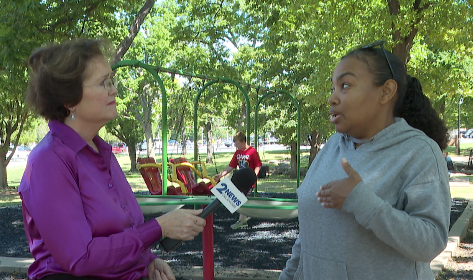
Tulsans are already feeling the pressure. Natosha Kates said she receives spam texts, emails, and calls constantly.
"Oh my gosh, over a billion a day. They're annoying. Very annoying," Kates said. Not really a billion, but it can feel like it because they pop up so often.
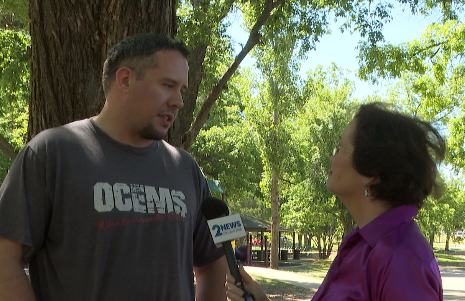
Cody Lavigne said scammers come to his text, voice mails, or emails, "at least every other day." And sometimes daily.
Kates said an AI scammer once tried to impersonate someone to steal money from her through a dating scam.
"They steal other people's pictures you have on your phone," Kates said.
"They're 20-year-old kids, fifteen-year-old kids overseas. Bored or they need money. Yes, they need money, but at the same time, they're tricking people to get your money," Kates said.
Lavigne feels like a savvy consumer but admits he's finding it more difficult to tell what is real.
"It is getting harder to tell because I was watching like an ad and it looked so real, but down at the bottom it said AI actors and it's kind of mind-blowing how close it is," Lavigne said.
4 ways to tell if you're talking to an AI bot
1. The 'lag trap test'
Fire off rapid, back-to-back questions to break the natural flow of conversation. Real people respond using natural fillers like "um," "uh," or "like" to collect their thoughts. AI doesn't.
Adam Nasli, Head Broker Analyst from BrokerChooser, recommends asking something like "Can you confirm that?" followed immediately by "Where are you calling from right now?"
"A real person will adapt instantly," Nasli said. "AI systems are more likely to produce slightly delayed answers or respond as if each question exists independently. These small timing cracks are often the first sign you're not speaking to a human."
2. Make them prove the room is real
Deepfake video can convincingly simulate a face, but AI-driven videos often struggle with real-world spatial awareness and physical interaction.
Ask for something simple but specific — like asking the person to turn their camera to the left. Humans respond instantly and naturally, while AI-driven video often breaks under this pressure, with delayed movement, awkward framing, or a background that doesn't shift convincingly with the body.
3. Watch eyes and lips
Inconsistencies often appear when you focus on how the eyes and lips work together.
Pay close attention to words that require fully closed lips — like "P," "B" or "M" — as AI struggles with these syllables and often shows the mouth slightly open or fails to close at the right moment.
Kates said she has noticed this herself.
"The mouth doesn't make sense," Kates said.
Blinking is another giveaway. AI-generated blinks can feel off in timing, too consistent, or disconnected from the conversation, while real blinking is more irregular and naturally tied to speech and thought.
4. Test their sense of humor
AI is increasingly fluent in language, but it still struggles with intent, especially sarcasm, irony, and emotionally layered humor.
"Just use a little humor or sarcasm. It's another thing that AI bots don't get," Faluvegi said.
For example, saying "Oh, perfect, I was just waiting for a random bank call to sort out my finances, this feels totally normal" will typically prompt a real human agent to acknowledge your concern. An AI system, however, will often respond literally or continue the script without recognizing the tone.
Lavigne said the tactic was an eye-opener.
"I guess I, I didn't really think about that," Lavigne said.

Don't give in to FOMO
Experts warn consumers not to give in to fear of missing out, high-pressure tactics by AI scammers designed to make you act fast before you can think critically. Scam attempts often rely on victims not questioning what is happening.
Report it if it happens to you
If you suspect you fell for a scam, never be afraid or embarrassed to report it. Scammers count on you feeling foolish and not telling family or authorities what happened. Always contact your local police department and file a complaint with the FBI's Internet Crime Complaint Center.
If you lost money, report it to your financial institution. It may be able to help you recover losses. At the very least, it can also help you close compromised accounts and set up new ones.
This story was reported on-air by a journalist and has been converted to this platform with the assistance of AI. Our editorial team verifies all reporting on all platforms for fairness and accuracy.
Stay in touch with us anytime, anywhere --
- Download our free app for Apple, Android and Kindle devices.
- Sign up for daily newsletters emailed to you
- Like us on Facebook
- Follow us on Instagram
- Watch LIVE 24/7 on YouTube
