

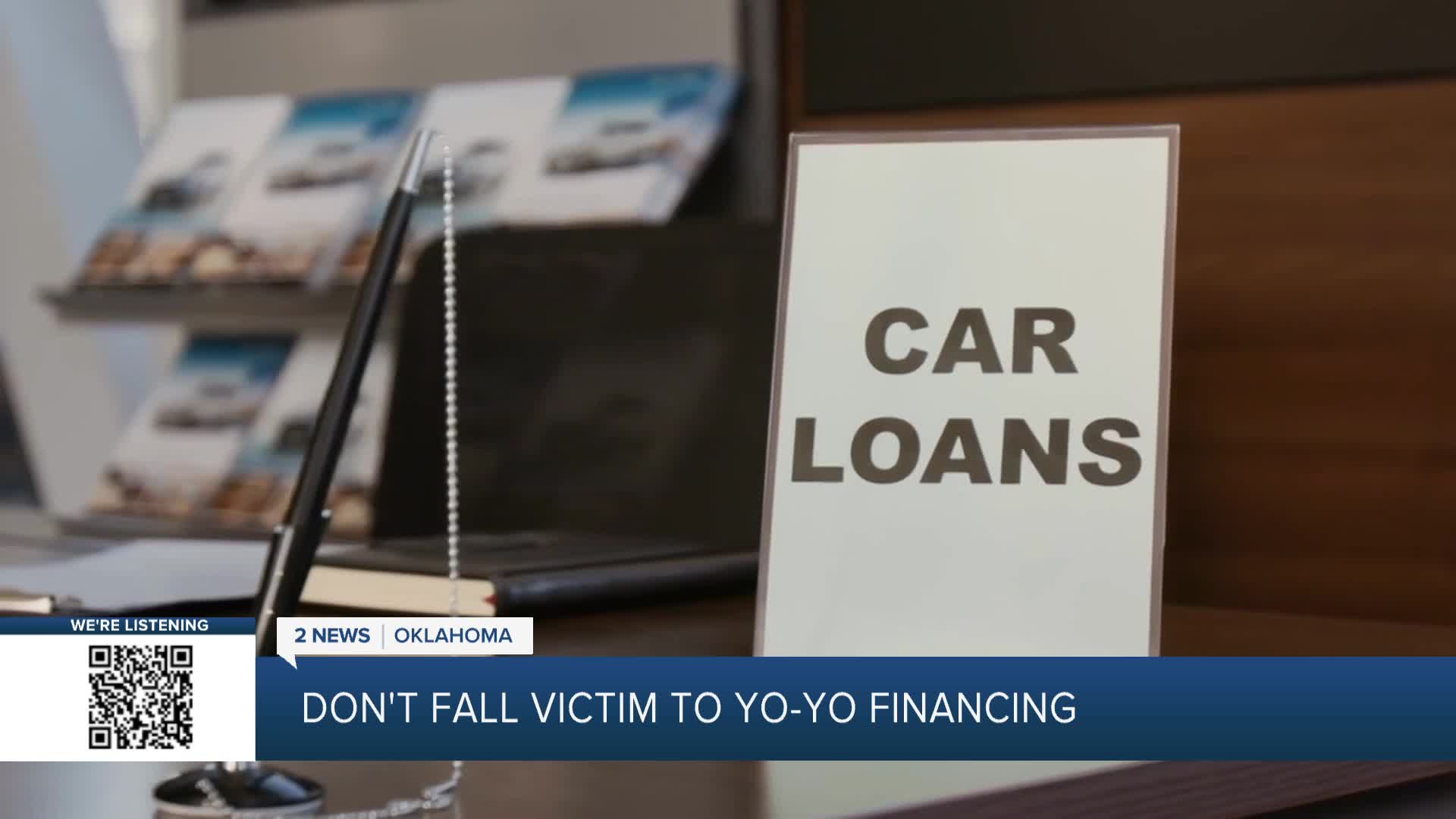


TULSA, Okla. — Buying a new or used car can quickly turn into a financial nightmare if the dealership calls days or weeks later to say the financing fell through.
The legal but controversial practice is known as yo-yo financing, and it can leave car buyers stranded without vehicles or out thousands of dollars.

When financing falls through after a buyer takes possession of a vehicle, dealerships often ask the consumer to return the car or sign a new contract with different, often worse, terms. In some cases, dealerships already sold the buyer's trade-in vehicle or escalated disputes by reporting the new car as stolen.
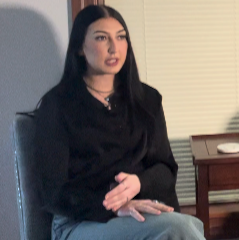
Nikia Sears of Oilton thought she secured financing through a dealership by trading in her car and putting down $10,000.
"I was pregnant, and I had a small Cadillac, and I needed a larger vehicle... we got to take the truck home that day," Sears said.
Weeks after driving off the lot, Sears learned her financing had not gone through.
"We called our financing... they were like, 'oh well, we've never heard of you guys,'" Sears said.
Sears contacted the dealership to get her $10,000 down payment and her original car back. Her contract called for the dealer to retain her trade-in until the sale was complete, but the dealership allegedly sold it and wanted her to renegotiate the deal.

"Your trade-in's gone. We already sold it. We're like, 'I'm pregnant, and I don't have a vehicle now.' Like you guys sold my vehicle. You told us to bring this one back," Sears said.
Consumer lawyers say some dealers use yo-yo financing as leverage to force buyers into accepting worse terms.
"Yo-yo financing is a predatory scheme created by car dealers," Attorney Luke Wallace said.
Wallace said dealerships sometimes run a customer's credit report multiple times, which brings down their credit score.
"Imagine a yo-yo being sent out. It comes right back to the dealership. They call you, and they say you've got to bring the car back or you've got to agree to our new terms," Wallace said.
"The problem with the new terms is they're almost never in favor of the consumer," Wallace said.
A recent Bankrate investigation by Andrew Pentis found the practice is rampant nationwide. Yo-yo financing is legal because each state gives dealers a certain number of days to finalize financing after the buyer has signed their paperwork.
"You're really invested, and it's hard for people then to say, 'no, I'm not going to pay another $2,000 down or whatever it is the [dealer's] asking,'" National Consumer Law Center Senior Attorney John Van Alst told Bankrate.
In 2022, 18 state attorneys general wrote to the Federal Trade Commission asking the agency to prevent the practice. However, attempts to address yo-yo financing and other potentially deceptive auto sales practices were defeated in court in January 2024.
Wallace also warned consumers about arbitration clauses hidden in auto purchase contracts, which prevent buyers from taking disputes to a judge and jury.
"Arbitration clauses are put in there so there's no public record of what they've done. They help car dealers," Wallace said.
"Tell the car dealer I'm not going to buy your car if you have an arbitration clause in there. And my experience is they will scratch it out," Wallace said.
To protect yourself from yo-yo financing, consumer advocates and the Federal Trade Commission recommend the following steps:
- Arrange your own financing through your own bank or credit union before going out to look for a vehicle.
- Conduct the sale of your trade-in as a separate transaction.
- Read and understand all documents, especially the credit or lease contract, before signing anything. Ask questions about any terms you don't understand.
- Make sure the final financing
- application shows your real income, down payment, and personal information.
- Never drive your purchase off the lot until financing is completely finalized, even if it means waiting a few days to get the keys.
This story was reported on-air by a journalist and has been converted to this platform with the assistance of AI. Our editorial team verifies all reporting on all platforms for fairness and accuracy.
Stay in touch with us anytime, anywhere --
- Download our free app for Apple, Android and Kindle devices.
- Sign up for daily newsletters emailed to you
- Like us on Facebook
- Follow us on Instagram
- Watch LIVE 24/7 on YouTube
