



TULSA, Okla. — When severe winter storms threaten Oklahoma, preparing for potential power outages can mean the difference between staying safe and facing serious health risks.

Preparation is key
Before the storm hits, charge all your devices and power bank batteries so you can stay updated on restoration timelines.
Keep extra regular batteries on hand for flashlights and radios.
Unplug appliances and electronics to protect them from power surges when electricity returns, according to Ready.gov.
Keeping warm without power
Close blinds and drapes to help insulate your home from cold air. Place blankets over drafty windows or doors for additional protection.
Layer clothing appropriately – enough to stay comfortable but not so much that you become sweaty. A fireplace can provide warmth, but never use your gas oven or stove for heating.
Using an oven or stovetop can increase the risk of fires, burns, and could damage the appliance, according to Ready.gov

Safe lighting and power alternatives
Battery-operated lanterns and flashlights are safer than candles for emergency lighting.
If you have a generator, ensure you have enough fuel for one to two days and store it safely. Never operate generators indoors or in garages – they must be outside and at least 20 feet away from doors and windows to prevent deadly carbon monoxide poisoning.
Know your generator's capacity to avoid overloading, which can damage appliances or cause fires.
Critical food safety guidelines
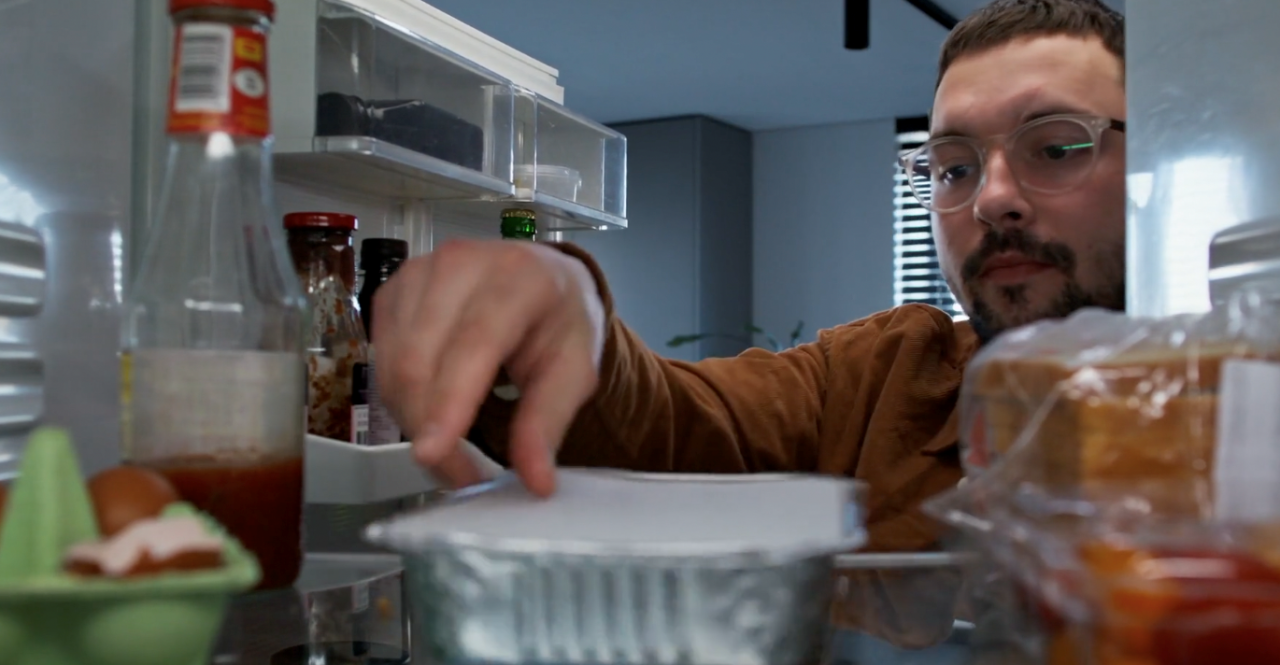
When power goes out, resist the urge to open refrigerators and freezers. According to FoodSafety.gov, refrigerated foods remain safe for 4 hours during outages if the doors remain closed.
After four hours without power, discard meat, eggs, poultry, and fish. A full freezer maintains safe temperatures for approximately 48 hours, while a half-full freezer lasts about 24 hours.
What to keep and what to toss: Refrigerated foods
DISCARD after 4 hours without power:
- All meat, poultry, seafood (raw or cooked)
- Eggs and egg dishes
- Dairy products (milk, cream, yogurt, soft cheeses)
- Leftovers and casseroles
- Mayonnaise-based salads
- Cut fruits and vegetables
- Opened baby formula
SAFE TO KEEP:
- Hard cheeses (cheddar, Swiss, Parmesan)
- Butter and margarine
- Uncut fresh fruits
- Condiments (ketchup, mustard, pickles)
- Peanut butter
- Bread and baked goods
Frozen food guidelines
<i>Source: FoodSafety.gov</i>
REFREEZE if it still contains ice crystals:
- All meat, poultry, seafood
- Most vegetables and fruits
- Bread and pastries without custard
DISCARD even if frozen:
- Ice cream and frozen yogurt
- Any food exposed to 40°F or higher for more than 2 hours
Special considerations:
- Vegetables: Discard after 6 hours above 40°F
- Fruits: May refreeze but discard if showing mold or unusual odors
Medical and safety considerations
Plan for medical devices that require electricity and refrigerated medications. Consult your healthcare provider about how long medications can be stored at higher temperatures.
Install carbon monoxide detectors with battery backup on every level of your home.
After power returns
Never taste food to determine safety. When in doubt, throw it out. Discard any medication requiring refrigeration if power was out for more than a day, unless the label indicates otherwise.
Monitor food temperatures with a thermometer – anything exposed to 40°F or higher for two hours or more should be discarded.
This story was reported on-air by a journalist and has been converted to this platform with the assistance of AI. Our editorial team verifies all reporting on all platforms for fairness and accuracy.
Stay in touch with us anytime, anywhere --
- Download our free app for Apple, Android and Kindle devices.
- Sign up for daily newsletters emailed to you
- Like us on Facebook
- Follow us on Instagram
- Watch LIVE 24/7 on YouTube
