



TULSA, — Scammers are using artificial intelligence to steal identities, create fake insurance policies, and submit fraudulent claims, and Oklahoma's Insurance Department is warning residents to take action now.
Artificial intelligence has made it easier than ever for fraudsters to commit insurance fraud, according to Rick Wagnon, director of the anti-fraud unit for the Oklahoma Insurance Department.
"The fraudsters are usually the first early adopters of new technology, unfortunately," Wagnon said.

Wagnon said scammers are using AI to alter photographs, generate fake receipts, and create supporting documents to submit with fraudulent insurance claims. The threat goes beyond individual bad actors.
"The real concern when we start looking at large losses is organized activity where groups systemically set up multiple claims through artificial intelligence," Wagnon said.
Wagnon said the fraud takes several forms.
"You've either got people impersonating the victim to obtain insurance for themselves and submit claims, or in some instances, you actually have people impersonating the insurance agent, signing people up, and then receiving commissions," Wagnon said.
He said it is not uncommon for people to be denied medical care because another carrier, one they never signed up for, appears in their records. Some residents have received billing statements or correspondence from insurance companies they have never heard of, only to discover they were enrolled in policies through the federal marketplace, Sooner Care, or other exchanges without their knowledge.
How scammers get your information

Wagnon said scammers harvest personal details from social media profiles that lack strong privacy protections. AI tools can be programmed to scour the internet and compile detailed profiles on individuals, which are then used to sign up for policies or submit claims in their names.
He also warned that scammers can capture your voice from a phone call, and they do not need much.
"Do not say anything. I wouldn't even answer the phone," Wagnon said.
Wagnon said that with just a few audio snippets, fraudsters can generate an entire conversation mimicking someone's voice. A handful of photos can be used to create deepfake video. He said some victims have reported speaking with someone on a video call, only to later learn the person they saw was not real.
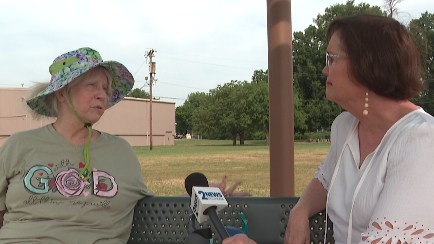
Tulsa resident Cynthia Driver said she already avoids answering calls from numbers she does not recognize, but the scope of the threat has her even more on guard.
"Right now I get a lot of calls from car insurance companies and like Medicare companies. I don't know which ones are legit and which ones just want your information," Driver said.
"I don't trust AI. And it's scary," Driver said.
What to do if you think you're a victim
Wagnon said AI-generated fraud is expanding across all areas of the insurance marketplace, and insurers are increasingly turning to their own AI tools to detect it. He cautioned that even legitimate claimants can trigger fraud detection systems if they edit or enhance photos before submitting them to an insurer.
He said the safest approach is always to submit original, unaltered documents and photos with any insurance claim.
To protect yourself, Wagnon recommends:
- Do not answer calls from unfamiliar numbers. Scammers need only a few words to clone your voice.
- Review your mail carefully. Do not discard correspondence from unfamiliar insurance carriers without first checking whether you have been enrolled in a policy without your knowledge.
- Check your Explanation of Benefits (EOB) statements closely. Look for charges for treatments or prescriptions you did not receive.
- Monitor your credit reports regularly for signs that your identity has been used to obtain insurance or other services.
- Tighten your social media privacy settings to limit who can view your personal information and photos.
Driver said she already makes a habit of reviewing her statements.
"I did get some EOBs in the mail this morning. I always check through those to make sure there's not any odd charges on there that did not apply," Driver said.
If you find charges for services you did not receive, or discover policies you did not purchase, contact the Oklahoma Insurance Department or the Oklahoma Attorney General's Office.
This story was reported on-air by a journalist and has been converted to this platform with the assistance of AI. Our editorial team verifies all reporting on all platforms for fairness and accuracy.
Stay in touch with us anytime, anywhere --
- Download our free app for Apple, Android and Kindle devices.
- Sign up for daily newsletters emailed to you
- Like us on Facebook
- Follow us on Instagram
- Watch LIVE 24/7 on YouTube
