



TULSA, Oklahoma — The financial pressure of back-to-school season is pushing many parents to take on debt, work extra jobs and cut back on essentials like food, medical care and utilities, according to new research.
A Talker Research survey of 2,000 parents of school-age children found nearly a quarter — 23% — are using buy-now, pay-later loans to cover back-to-school expenses. 1 in 5 are going into, or taking on more, credit card debt. Other measures parents reported taking include:
- Taking out a personal loan or payday loan (15%)
- Pawning possessions (12%)
- Gambling, either in-person or online (8%)
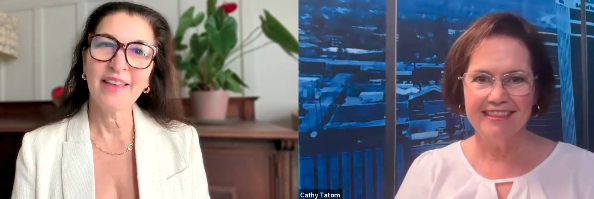
Erica Sandberg, a personal finance expert for BadCredit.org, said the debt burden compounds the stress families already feel.
"They're over-borrowing, and then they're going to end up with a larger payment than they really can afford," Sandberg said.
For college students, the financial weight can follow them for years. Christina Bagin, a law student navigating the cost of tuition and supplies, described the toll it takes.

"Like a lot of stress, but that's kind of a different, more like chronic kind of stress. Like I'm just in so much debt from tuition, and that will be the case for many, many years down the line," Bagin said.
She also understands the stress it put on families to cover day-to-day educational expenses.
"I believe that it's really stressful if you don't have the stuff you need," Bagin said
Parents are sacrificing essentials to cover school costs
Sandberg said many parents are finding creative ways to manage the financial strain, including picking up extra work.
"They're working a side hustle, they're sacrificing other expenses in order to make sure that their kids have the backpacks and the shoes and all the school supplies. So they are doing what, in some ways, what it takes," Sandberg said.
But those sacrifices are sometimes going far beyond reining in discretionary spending.
"I think this was what was really devastating to us, is to find out that a lot were sacrificing really important expenses, such as food, medical care, really utilities. We're talking that people were scaling back on those costs that are really essential. This is what you need to keep your household running," Sandberg said.
To better cope, Sandberg said parents should step back and prioritize expenses.
"Is it to get the latest, greatest set of sneakers for your kid, or is it to put food on the table?" she said. "Can your child get away with a little bit less in order to still have a great experience? Absolutely."
She also encouraged parents to involve children in the budgeting process, including giving them a spending challenge while shopping.
"Put them on a mission — find that backpack that suits your taste, suits your needs, but it's gonna be under 20 bucks. This is your challenge. See if you can do it," Sandberg said.
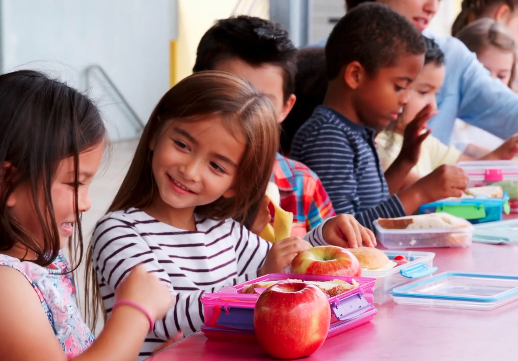
Lunchbox staples cost 45% more than in 2019
The financial pressure extends well beyond the initial back-to-school shopping trip. A study by DOSS analyzed U.S. Bureau of Labor Statistics Consumer Price Index data and found a fixed basket of everyday lunchbox staples climbed from roughly $22 in 2019 to more than $31 today — an increase of about 45%.
Some individual items have risen even faster:
- Frozen orange juice concentrate: up 96%
- Potato chips: up 49%
- Crackers: up 47%
- Whole milk: up 41%
- White bread: up 41%
- Cookies: up more than a third
Broader school-year essentials have also increased. Juice and kids' drinks and pantry staples are each up 37%, paper goods and tissues are up 34%, cleaning wipes are up 29%, breakfast foods are up 27% and lunchbox snacks are up 24%. For comparison, overall consumer prices rose 30.4% between June 2019 and June 2026.
Families are switching brands and cutting products
Parents are responding to higher prices by trading down or cutting products entirely from the family shopping cart.
DOSS surveyed 811 U.S. parents of K-12 children and found 64% have replaced at least one of their child's favorite brands with a cheaper alternative this school year.
The most common trade-downs include:
- Paper goods (43%)
- Storage bags and wrap (39%)
- Lunchbox snacks (36%)
- Pantry staples and cleaning wipes (34% each)
- Breakfast foods (31%)
- Tissues (28%)
- Juice or drinks (22%)
Nearly half of parents — 45% — have stopped buying a snack, drink or lunch item their child regularly asks for because it became too expensive. 36% say their child has complained after being switched to a cheaper brand.
Parents expect to spend a median of about $200 per month on everyday school-year consumables, and 71% say that is more than they spent last year.
Lower-income families are making the biggest adjustments. Among parents earning under $50,000, 71% have switched a favorite brand and 49% have stopped buying something their child asks for, compared with 55% and 38%, respectively, among households earning $100,000 or more.
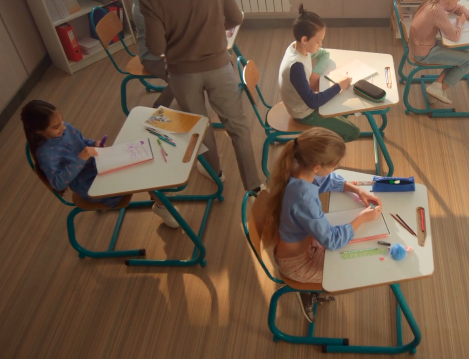
Teachers are spending their own money to fill classroom gaps
Higher prices are also being felt inside classrooms. Nearly 2 in 3 teachers — 64% — have left a classroom essential unstocked because they could not afford to replace it.
More than half of teachers, 56%, have gone without buying something for themselves in order to pay for classroom supplies or food for students. Teachers expect to spend a median of about $300 of their own money on classroom supplies this year.
Only 5% of teachers say their school fully provides or reimburses everyday classroom consumables, while 52% say they personally cover most or all of the cost. Nearly 4 in 5 teachers — 79% — believe their school's supply budget has not kept pace with rising prices.
The most common items teachers buy themselves include:
- Cleaning wipes (60%)
- Storage and organization products (59%)
- Pencils and notebooks (58%)
- Snacks for students and cleaning supplies (51% each)
- Tissues and hand sanitizer (43% each)
- Paper towels (31%)
30% of teachers say snacks or food for students are the hardest items to keep stocked, and 51% have asked parents or families to donate supplies.
You can view the full DOSS study at doss.com. The full Talker Research findings are available at talkerresearch.com.
This story was reported on-air by a journalist and has been converted to this platform with the assistance of AI. Our editorial team verifies all reporting on all platforms for fairness and accuracy.
Stay in touch with us anytime, anywhere --
- Download our free app for Apple, Android and Kindle devices.
- Sign up for daily newsletters emailed to you
- Like us on Facebook
- Follow us on Instagram
- Watch LIVE 24/7 on YouTube
