




TULSA, Okla. — You might be saving consistently, paying your bills on time, and sitting on a solid emergency fund — and still feel completely broke. Or maybe you feel financially invincible while quietly racking up debt. Either way, experts have a name for it: money dysmorphia.
And it's more common than you might think.
What Is Money Dysmorphia?
Money dysmorphia is a distorted perception of your own financial situation — a gap between how you feel about your money and what your bank account actually reflects.
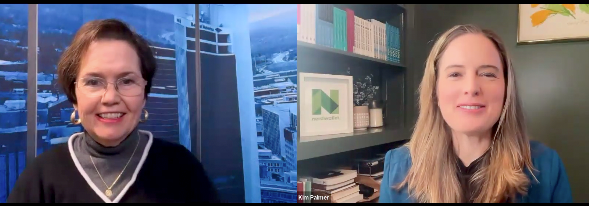
"Money dysmorphia basically means you don't have an accurate sense of your own money situation," says Kimberly Palmer, personal finance expert at NerdWallet. "That can mean you feel really badly about your money, even though you're doing okay, or it can mean you feel really good and you're overspending, where in reality you might be building up debt. So it basically means you're out of touch with the reality of your own financial situation."
According to a study by Credit Karma, nearly 1 in 3 Americans — 29% — say they experience money dysmorphia. The condition hits younger generations especially hard: 43% of Gen Z and 41% of Millennials report feeling financially behind, even though many of them have above-average savings. A separate Qualtrics study found that 37% of people experiencing money dysmorphia had over $10,000 in savings — far above the typical American median of around $5,300.

The Social Media Connection
If you've ever scrolled through Instagram or TikTok and suddenly felt like you're failing financially, you're not alone — and you're not imagining it.
Social media platforms are flooded with influencers flaunting luxury vacations, designer hauls, and lavish lifestyles. The constant stream of curated wealth creates an unrealistic benchmark that can warp anyone's sense of their own financial standing.
"Sometimes when we're constantly looking at a lot of wealth by people posting online and following influencers, it can make us feel bad about our own financial situation," Palmer explains. "So stopping those comparisons is one step."
The Role of Financial Trauma
Money dysmorphia doesn't always start with a smartphone. For many people, the roots run much deeper.
"Financial trauma can include all kinds of things," Palmer says. "It can include a huge crisis, like a bankruptcy. It could also include something like growing up with limited resources and scarcity. Sometimes when people grow up in poverty, as an adult, it can be very hard to feel financially secure, even if you are doing okay financially."
That childhood scarcity — even if long in the past — can quietly drive anxiety, hoarding behavior, or a persistent sense that financial disaster is always just around the corner. Palmer notes these emotional patterns are often the hardest to untangle because they're tied to deeply ingrained stories we tell ourselves about money.
"The feelings we have around money can be so powerful and influential, and in some ways, they don't get talked about enough when we're just focused on the numbers," she says. "Taking a look at the feelings and the stories we're telling ourselves about money can actually be really helpful."
Signs You Might Have Money Dysmorphia
Experts say common signs include:
- Obsessively checking your bank balance — even when you know it hasn't changed
- Avoiding financial conversations or statements altogether
- Feeling like you're falling behind financially when the numbers say otherwise
- Overspending because you feel more secure than you actually are
- Hoarding money or refusing to spend even on necessities because of a deep-rooted fear
- Strong emotional reactions when friends hit financial milestones
- Feeling like you'll never be "wealthy enough," no matter what you earn
How to Get Back in Balance
The good news: money dysmorphia is manageable. Palmer offers a practical, three-step approach.
1. Step Back From Social Media
Unfollow accounts that promote excessive spending or showcase a lifestyle that doesn't reflect your reality. "Stopping those comparisons is one step," Palmer says. Consider setting daily screen-time limits or auditing the financial content you consume online.
2. Give Yourself a Budget Framework
One of the most effective tools is deceptively simple: the 50-30-20 budget.
- 50% of take-home pay → Needs (rent, groceries, utilities)
- 30% → Wants (dining out, entertainment, shopping)
- 20% → Savings and debt payments
"That kind of ballpark figuring can just give you a better sense of how much money you can spend," Palmer says. "Sometimes structure is exactly what we need to feel a little bit more grounded in our finances and not be constantly questioning, 'Can I buy this? Can I not afford it?' It just gives you a way to answer that question without being confused."
3. Consider Financial Therapy
If the anxiety persists — especially if it's connected to past trauma — Palmer suggests seeking professional help. Financial therapy is a growing field that blends financial planning with psychological counseling, helping clients work through the emotional roots of money stress, not just the spreadsheets.
The Bottom Line
Whether you're a high earner convinced you're always one bad month away from disaster, or someone spending beyond your means because your finances feel flush, money dysmorphia can quietly undermine your long-term financial well-being.
The first step toward fixing a distorted financial self-image is recognizing it exists — and then building the habits and, if needed, seeking the help to correct it.
Kimberly Palmer is a personal finance expert at NerdWallet. For more information on the 50-30-20 budget and other financial planning tools, visit NerdWallet.com.
"This story was reported on-air by a journalist and has been converted to this platform with the assistance of AI. Our editorial team verifies all reporting on all platforms for fairness and accuracy."
Stay in touch with us anytime, anywhere --
- Download our free app for Apple, Android and Kindle devices.
- Sign up for daily newsletters emailed to you
- Like us on Facebook
- Follow us on Instagram
- Watch LIVE 24/7 on YouTube
