



TULSA, Okla. — A new study reveals that the convenience of mobile payment apps like Apple Pay and Google Pay might be encouraging consumers to spend more money than they would with traditional payment methods.
LendingTree's recent survey of more than 2,000 consumers found that 63% of Americans have used a mobile wallet to make purchases, with Gen Z leading adoption at 84%.
However, the convenience comes with a financial cost:
33% of mobile wallet users say the technology makes them spend more, and 37% report tipping more when paying with their phones.
"We love our digital wallets because it makes things faster, we see them as more secure, and retailers and banks love them because it makes it easier for us to spend," said Matt Schulz with LendingTree. "But the truth is that we have seen that a lot of people do spend more when they use these wallets than they would if they used a physical card."
By 2028, about half of all smartphone users are expected to regularly use digital wallets for payments, making this spending behavior increasingly relevant for consumers' financial health.

Simple strategies to control digital spending
Schulz offers practical advice for consumers who want to enjoy the convenience of mobile wallets without overspending.
"The best things that you can do is simply just put the phone down," Schulz said. "If we can just leave our phone in our pocket and just pay with that physical card or with cash, it can make a difference."
He also recommends limiting the number of cards stored in mobile wallets. Instead of adding multiple credit cards, consumers might consider using only a debit card, since those payments come directly from bank accounts.
For those who prefer credit cards for rewards points or cash back, Schulz suggests paying off purchases the same day to avoid accumulating debt.
Another effective strategy is the 24-hour rule: if you see something you want but aren't sure you need it, wait a day before making the purchase.
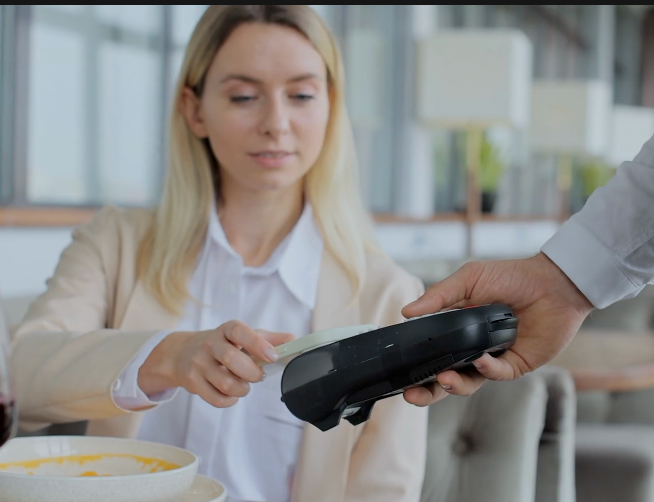
Why mobile wallets encourage spending
The survey found that 43% of mobile wallet users appreciate faster checkout times, while 16% value the increased security. Additionally, 43% believe mobile wallets are more secure than physical cards.
However, this convenience factor appears to reduce the psychological friction that traditionally helps consumers control spending. The ease of tapping a phone to pay can make purchases feel less significant than handling physical cash or cards.
More than a third of mobile wallet users have stopped shopping at stores that don't accept digital payments, showing how quickly consumers adapt to the technology.
Physical cards aren't disappearing yet
Despite growing adoption of digital payments, traditional payment methods remain popular. The survey found that 74% of Americans still use physical debit or credit cards most often when shopping in person, with only 13% preferring mobile wallets.
Even among mobile wallet users, 64% expect to still carry a physical wallet or card in five years.
"Even though we are clearly moving towards more and more use of these mobile wallets and digital cards and such, the old physical plastic credit card and debit card probably isn't going anywhere anytime soon," Schulz said.
The generational divide remains significant, with 25% of Gen Z using mobile wallets most often compared to much lower rates among older generations.
This story was reported on-air by a journalist and has been converted to this platform with the assistance of AI. Our editorial team verifies all reporting on all platforms for fairness and accuracy.
Stay in touch with us anytime, anywhere --
- Download our free app for Apple, Android and Kindle devices.
- Sign up for daily newsletters emailed to you
- Like us on Facebook
- Follow us on Instagram
- Watch LIVE 24/7 on YouTube
