

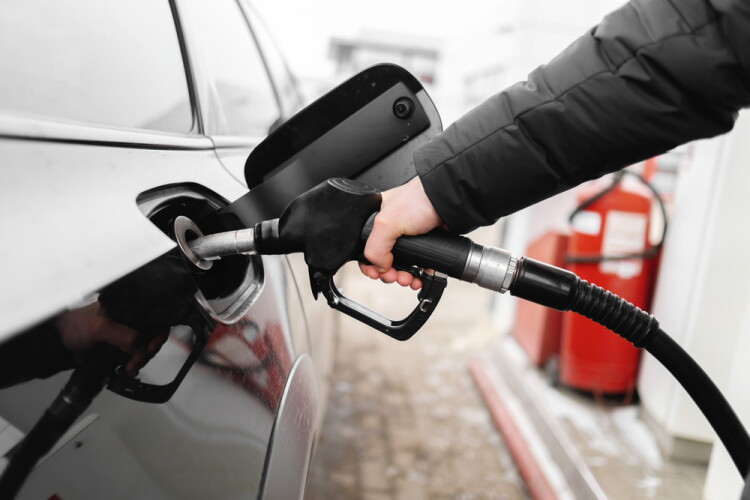


Gas prices have barely budged for months. On Friday, America’s two biggest oil companies showed just how much that’s been worth to them: Chevron reported third-quarter earnings of $9.9 billion, nearly triple from the $3.5 billion in the third quarter of 2025.
ExxonMobil posted a third-quarter profit of $15.4 billion, more than double the $7.5 billion it made a year earlier and just shy of its record quarterly profit from 2022.
A big part of the windfall didn’t come from pumping oil. It came from turning it into fuel. Chevron’s refining profits jumped more than 300%, from $1.1 billion to $4.9 billion.
At Exxon, the refining and fuels business carried the quarter, with adjusted earnings more than doubling from the second quarter while oil production earnings slipped on lower prices.
That gap explains why drivers haven’t felt much relief, even though crude oil prices have eased from their spring highs.
“Nobody’s filling their tanks with oil. It’s got to be refined, and that’s been the major kink this year,” Patrick De Haan, head of petroleum analysis at GasBuddy, told Scripps News.
De Haan said global refining capacity has been squeezed on several fronts. China is refining less because it can’t get as much oil through the Strait of Hormuz, and Ukrainian drone strikes have knocked Russian refineries offline.
On Exxon’s earnings call, Chairman and CEO Darren Woods said roughly half of Russia’s refining capacity has been taken offline, turning the country into a net importer of fuel.
The result: the gasoline and diesel that come out of a barrel of oil are selling at a steep premium.
Woods acknowledged the toll on consumers during the call.
“We recognize the impact high prices have on people’s lives and economic growth,” he said. He pointed to the company’s investment in production and a 2023 refinery expansion in Beaumont, Texas, which he said has kept prices from climbing higher.
Chevron Chairman and CEO Mike Wirth described a market still on edge.
“The system is under stress,” Wirth told CNBC, adding that the environment remains fragile. In the company’s earnings release, he said Chevron is “reinvesting to bring more energy to a supply-constrained market.”
The national average for regular gas stands at about $4.20 a gallon, according to AAA, compared with $3.03 a year ago. Diesel is running above $6.
Moody’s Analytics estimates the average U.S. household has paid $1,184 more for gasoline, diesel and jet fuel since the war began.
Much of the profit flows back to investors. Exxon announced $20 billion in share buybacks for 2027 and marked its 44th straight year of dividend increases. When a company buys back its own stock, fewer shares remain, so each one is worth a bigger slice of the company. That tends to push the share price up.
But stock ownership in the U.S. is lopsided. According to Federal Reserve data, the wealthiest 10% of households hold about 88% of corporate stock and mutual fund shares, while the bottom half holds about 1%. For most families, the war shows up at the pump far more than in their portfolios.
And for the oil companies, the boom may not last.
“What are record profits now... could turn into significant losses in the next year,” De Haan said, especially if tensions in the Middle East and between Ukraine and Russia ease.
