

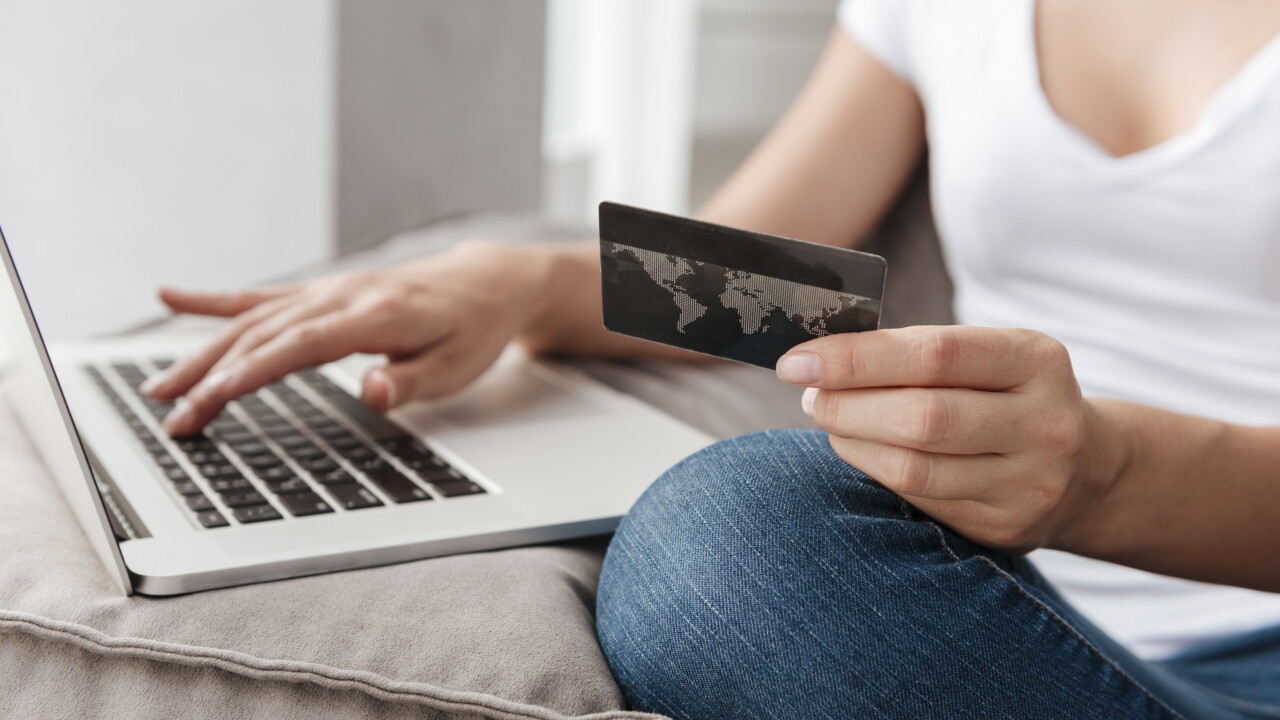

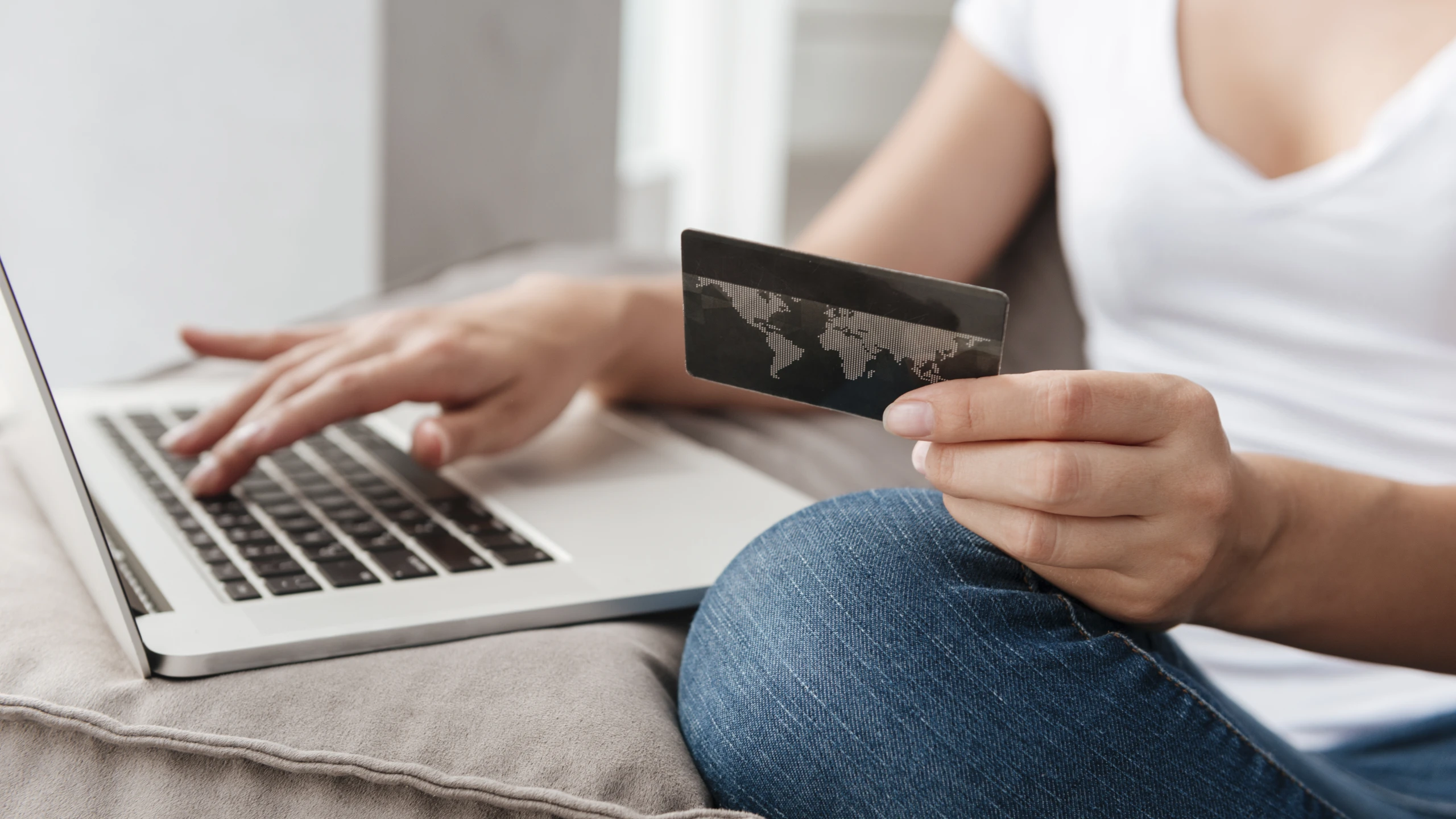

A recent analysis found that consumers generally spend more when they pay with a card instead of cash.
Researchers point to the so-called "pain of paying," a psychological concept that suggests spending feels more significant when money physically leaves your hands.
RELATED STORY | Buy now, pay later warning: Rising number of users missing payments
The study found that the effect was relatively small, but it consistently showed that people tend to spend more when using non-cash payment methods, including credit cards, debit cards and mobile wallets.
Researchers say cash creates a more tangible connection to spending because you can physically see the money leave your wallet. When paying with a card, there may be a disconnect because you don't immediately see the money leave your account.
RELATED STORY | One in five Americans are using their personal savings to pay for groceries
A separate study found that paying with cash is psychologically more painful than paying with a card, helping explain why consumers may be more cautious when spending cash.
As digital and cashless payments become increasingly common, financial experts recommend adding some friction back into spending. Suggestions include turning on purchase alerts, removing saved payment information from shopping apps, tracking purchases more closely, or using cash for categories where overspending is a recurring problem.
